Multiple Sclerosis Rehabilitation
At The Royal Buckinghamshire Hospital, we offer advanced rehabilitation and ongoing support for people living with Multiple Sclerosis (MS). Our experienced multidisciplinary team understands the complexity of MS and provides personalised care that evolves with each patient’s needs.
We specialise in helping patients manage symptoms, maintain independence, and achieve meaningful improvements in physical, cognitive, and emotional wellbeing.
What is Multiple Sclerosis (MS)?
Multiple Sclerosis is a long-term neurological condition that affects the brain and spinal cord. It occurs when the immune system mistakenly attacks the protective covering of nerves (myelin), leading to disrupted communication between the brain and the body.
MS is unpredictable and presents differently in each individual. Some people experience mild symptoms, while others face more complex challenges over time.
Symptoms of MS May Include:
- Muscle weakness or stiffness
- Balance and coordination problems
- Fatigue
- Blurred or double vision
- Numbness or tingling
- Difficulty walking
- Bladder or bowel dysfunction
- Cognitive changes (memory, focus)
- Mood changes, including anxiety or depression
Symptoms may appear in episodes (relapses) or progress gradually, depending on the type of MS.
Our Approach to MS Rehabilitation
At The Royal Buckinghamshire Hospital, our goal is to help each patient live fully and confidently with MS. We offer a comprehensive, multidisciplinary rehabilitation programme designed to address the physical, emotional, and practical challenges of MS.
Your care may include:
Specialist nursing care – including symptom management and medication support
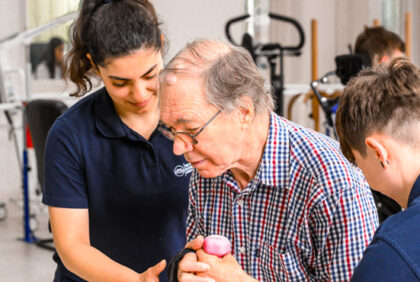
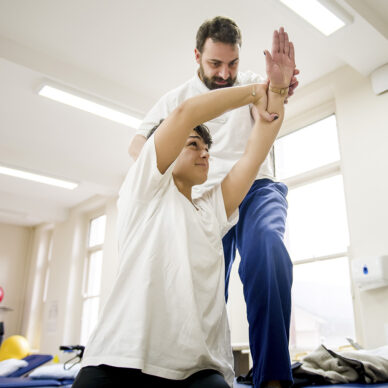
Neurological physiotherapy – to improve movement, strength, and coordination
Occupational therapy – to support daily activities and adapt your environment
Speech and language therapy – to assist with communication and swallowing
Neuropsychology support – to help with mood, cognition, and emotional resilience
A Multidisciplinary Approach
Our patients benefit from a highly skilled team of clinical specialists including physiotherapists, occupational therapists, clinical psychologists and language therapists who will work closely with the patient depending on their personal treatment plan.

Physiotherapy
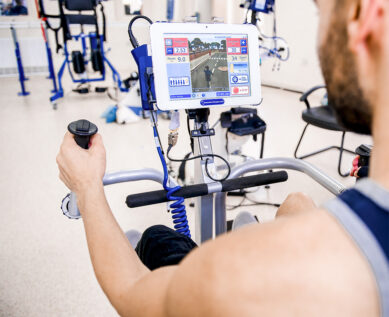
Our neurological physiotherapists provide personalised rehabilitation for people living with MS, focusing on mobility, balance, strength, coordination and functional independence. Treatment may combine targeted exercises, practical movement training and appropriate rehabilitation technology, according to individual needs and goals.
Find out more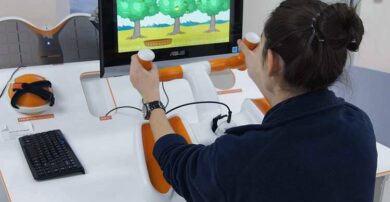
Assisted Technology
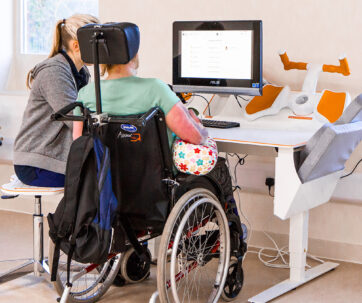
At our rehabilitation centre, patient success is driven by their determination and the expertise of our dedicated staff — with assistive technology playing a valuable supporting role in maximising positive outcomes.
Find out more
Occupational Therapy
Our occupational therapists help people living with MS maintain independence in everyday activities, including dressing, washing, preparing meals and moving safely around their environment. Support may include fatigue management, practical strategies, adaptive equipment and recommendations for home modifications.
Find out moreWhy Choose Royal Buckinghamshire Hospital for MS Care?
- Nationally recognised specialist rehabilitation centre
- Inpatient and outpatient programmes tailored to your needs
- Expert team of neurologists, therapists, and nurses
- Onsite imaging, diagnostics, and therapy services
- Compassionate, personalised care in a calm, supportive setting
- No waiting lists – start your care when you need it

Inpatient Therapy Packages
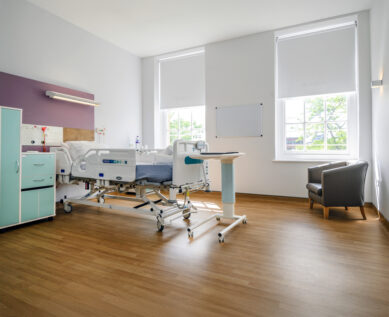
Our specialist inpatient rehabilitation programmes are designed for people living with Multiple Sclerosis (MS) who require coordinated, multidisciplinary support to manage complex symptoms and improve everyday function.
Following an individual assessment, our clinical team develops a personalised rehabilitation plan based on each patient’s needs, abilities and goals. Rehabilitation may focus on improving mobility, balance, strength and independence, alongside managing fatigue, spasticity and other MS-related difficulties.
Therapy intensity and activities are adapted to individual needs, ensuring that rehabilitation remains appropriate to each person’s capabilities and clinical circumstances.
Our admissions team can explain the inpatient rehabilitation options available, the assessment process and the costs associated with a proposed programme. Rehabilitation plans are tailored to individual clinical needs, including the impact of MS-related fatigue.
Supporting Posture & Balance
From meeting seating needs whilst maintaining good posture, to analysing the best approach to personal mobility
Finding individual approaches to achieving a standing position, to bring posture relief, activity options and eye contact.
A Comfortable Stay
Our facilities for patients, family and friends help make your stay with us as comfortable as possible.
-
Families can stay close to loved ones in one of our on-site apartments next to the Rehabilitation Centre.
-
Outstanding patient care
Patients living with Multiple Sclerosis benefit from 24-hour nursing care and support from our experienced multidisciplinary rehabilitation team. Our approach focuses on managing complex symptoms, supporting daily activities and helping each patient work towards their individual rehabilitation goals in a comfortable, supportive environment.
-
Free patient parking
Free parking is available for all patients at the Rehabilitation Centre and for family, or friends accompanying them.
-
Where Culinary Excellence Meets Personal Care
At Royal Buckinghamshire Hospital, dining is more than nourishment — it’s an experience. Our inpatients enjoy refined, chef-led cuisine served with the discretion and detail of a five-star hotel, tailored to support both recovery and indulgence.

Speak to our team today
Get in touch to book an appointment, for further information, or to ask any question you wish. All contact is handled securely and confidentially.
Call us on
01296 678800
Email us
enquiries@akessa.com
Message us on WhatsApp
+44 7367 130247
"*" indicates required fields